
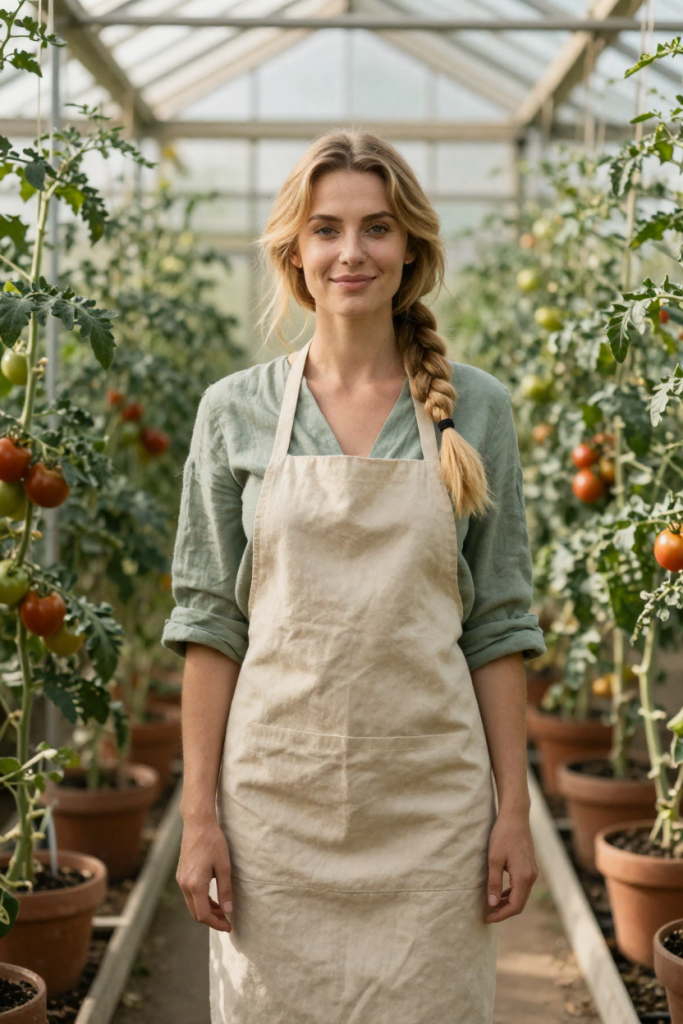
Most creator pages fail the way gardens fail: a glorious fortnight in spring, then weeds. The grower sows everything at once, harvests everything at once, and stares at bare beds for a month. The cure is not more effort — it is succession. Farmers have staggered plantings for centuries so that something is always ripening; a content page obeys the same seasons.
The three-bed rotation
Divide production into three beds that rotate weekly. Bed one: sowing. One session a week is pure generation — new sets grown wide from the seed brief, nothing published yet. Bed two: tending. Edits, grafts and teaser clips made from last week’s keepers; this is where volume quietly doubles, because every keeper frame can become a pair, a clip and a cover. Bed three: harvest. Publishing, gallery updates and the occasional upscale for a storefront drop. Each week touches all three beds, so the page ships every week while next month’s crop is already germinating.
Let the check-in set the rhythm
The daily check-in pays 6 credits — one standard frame — and that trickle is a metronome if you let it be. Grow one frame a day even in fallow weeks. Most will be ordinary; a few will be the frames a whole set gets built around, and you only find those by sowing daily. A season plan that depends on motivation fails; one that depends on a daily six-credit habit survives motivation entirely.
Keep a seed bank
Every grower keeps seed back from the best plants. Keep yours: a folder of proven briefs, keeper stills that work as keyframes, and face sources, labelled by set. When a week collapses — travel, illness, life — the seed bank is the difference between a quiet week and a dead page. You are not starting over; you are planting from stock you already know germinates.